
Western voters delivered a stern rebuke to the Trump administration when it comes to public lands this month, according to the annual Conservation in the West Poll from Colorado College.
The poll, which was released on February 18 by the Colorado College State of the Rockies Project, is in its 16th year of taking the temperature of Western voters on environmental and public lands issues. This year’s poll surveyed voters across the political spectrum in eight Western states (Arizona, Colorado, Idaho, Montana, Nevada, New Mexico, Utah, and Wyoming) on public lands, water, and energy issues.
One year into the second Trump administration, voters overwhelmingly expressed widespread concern about rollbacks of protections for national public lands, with 84 percent of Western voters describing these rollbacks as a serious problem.
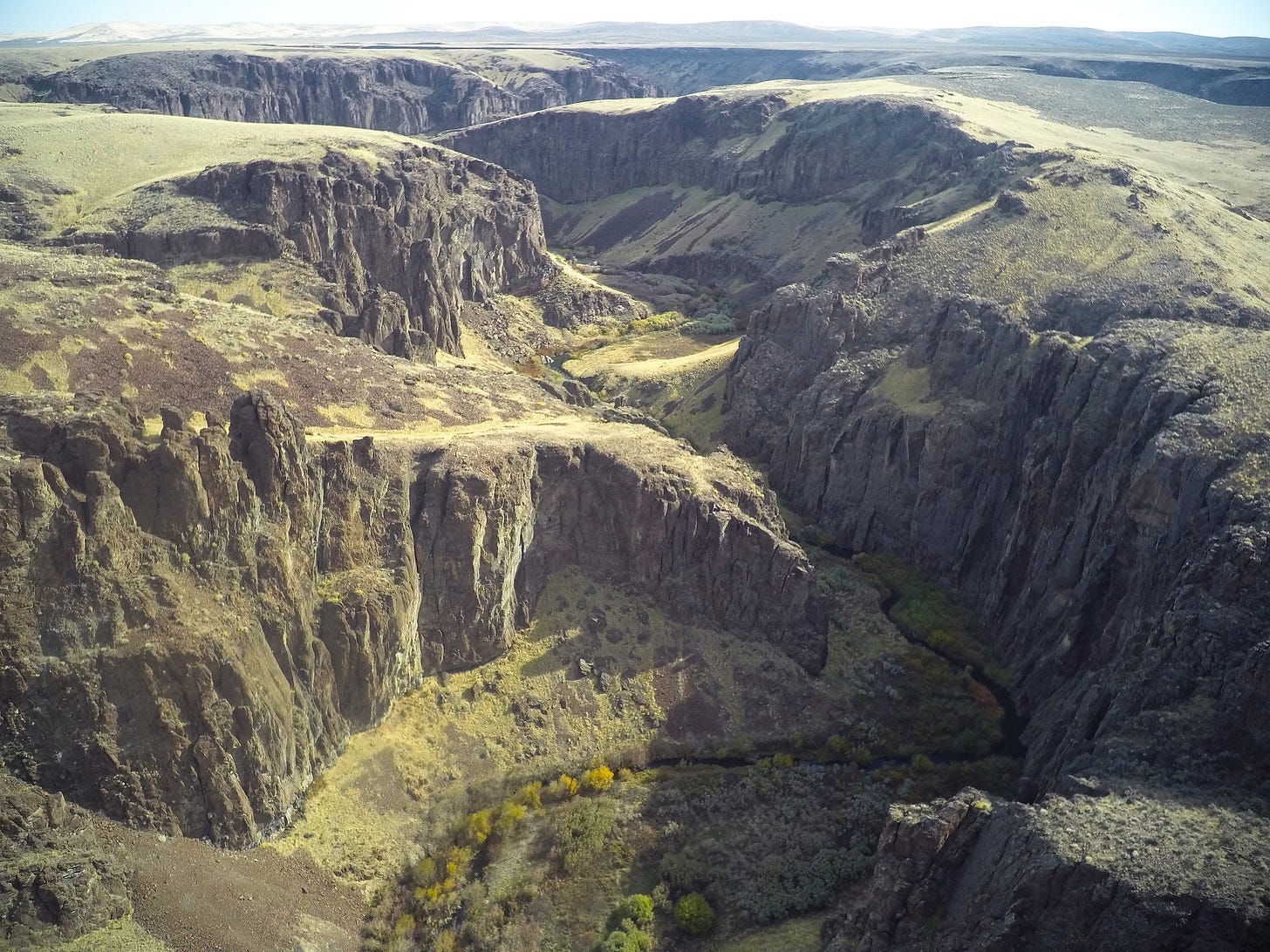
Upper Big Jacks Creek, BLM Idaho
When it comes to funding and staffing cuts at the agencies that steward our national public lands, 86 percent described funding cuts as a serious problem—including 75 percent of self-identified MAGA voters. Westerners are aware of, and concerned about, the specific impacts of these cuts. Significant majorities of voters are concerned about having fewer park rangers and other staff at national parks and other public lands (83 percent) and having fewer scientists caring for fish and wildlife on national public lands (82 percent). And 91 percent of voters are especially concerned about having fewer wildland firefighters and support staff working to both fight wildfires and reduce the risk of future wildfires.

Western voters also expressed negative views about other specific policies the Trump administration has enacted or is pursuing, such as removing Clean Water Act protections from smaller streams and wetlands (77 percent negative) or rolling back Endangered Species Act protections for at-risk animals and plants (70 percent negative).
Even with affordability remaining a major concern among Westerners (85 percent describe it as a very or extremely serious problem), Western voters still don’t want to see national public lands sold for housing development, a recurring proposal from the Trump administration and from lawmakers like U.S. Senator Mike Lee of Utah. Voters continue to reject this concept: 76 percent of voters opposed this idea, with 57 percent strongly opposed.
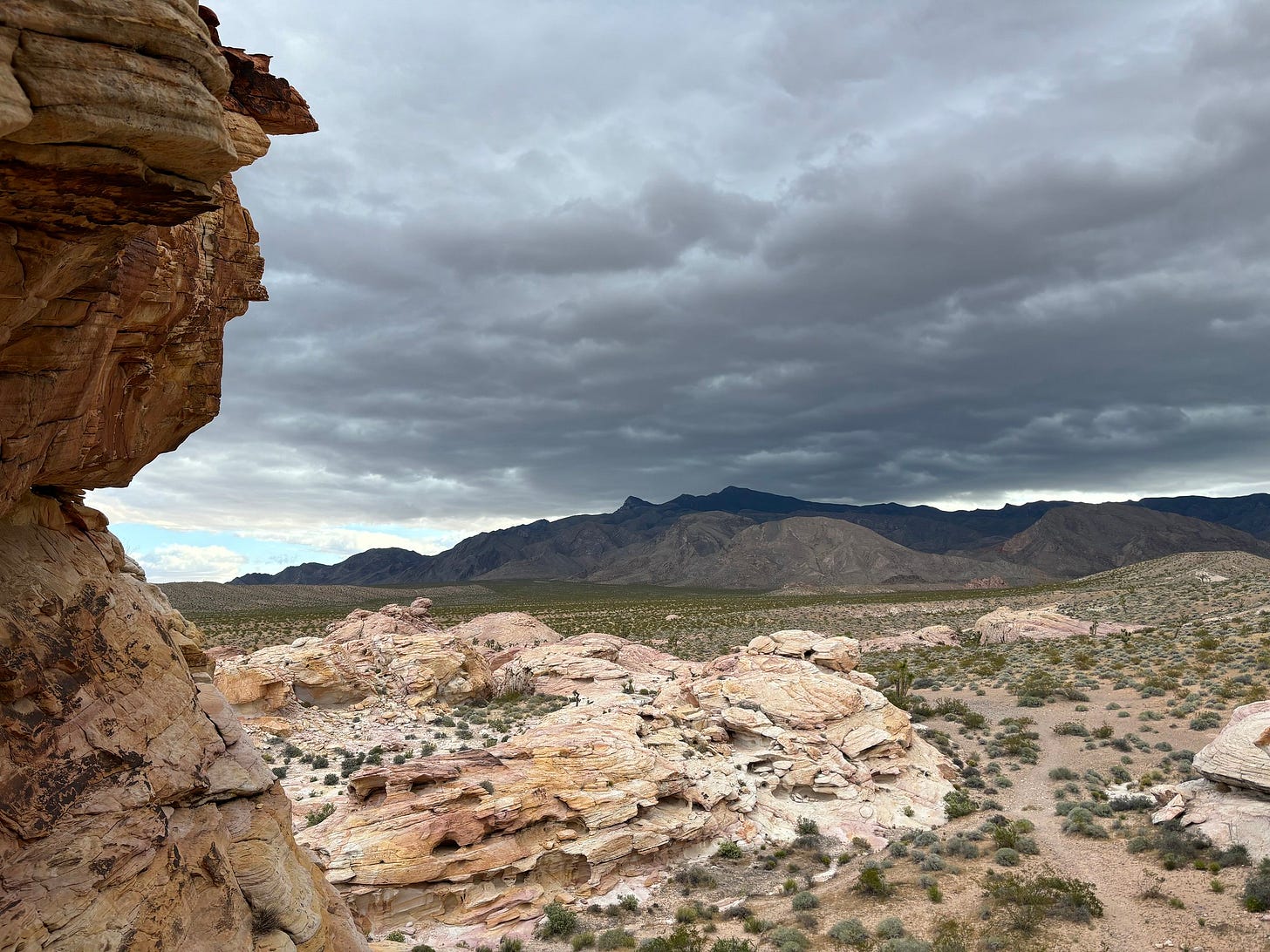
Gold Butte National Monument, BLM Nevada
Another pet proposal of the Trump administration, reducing or eliminating national monument designations, has only become more unpopular over time. Back in 2017, during the first Trump administration, 80 percent of Western voters wanted to see national monuments kept in place. In 2026, this percentage increased to 91 percent of Westerners who want to see national monuments kept in place—including 92 percent of Independent voters and 87 percent of Republicans. Among MAGA supporters, support for national monuments is similarly strong and has increased over just the past year, from 81 percent in 2025 to 87 percent in 2026 who want to see national monuments kept in place.

When it comes to energy development on national public lands, a record-high percentage of Western voters—76 percent across the West, and 62 percent even in Wyoming, a top energy-producing state—would prefer to emphasize protecting clean water, air quality, and wildlife habitat, and recreation opportunities over the Trump administration’s “energy dominance” agenda.
Again, voters are aware of specific policies and reject them across the board. Proposed or implemented policies that are unpopular with majorities of voters in every state surveyed include: fast-tracking oil, gas and mining projects by reducing environmental reviews and community input (70 percent oppose); overriding resource management plans developed with community input in order to increase oil, gas, and mining (75 percent oppose); and building industrial roads in undeveloped areas for oil, gas, mining, and timber projects (65 percent oppose).
Similarly, voters are not fooled by the administration’s stubborn efforts to force a return to reliance on coal and other fuels of the past. When asked to indicate their preferred energy source to encourage in their state, a mere seven percent of Western voters ranked coal as their first or second choice. Solar was the clear preferred choice, followed by wind. Overall, 73 percent of Western voters would rather expand renewable energy development than drill and mine for more oil, gas, and coal—a significant increase from 65 percent just three years ago.

Water supplies and water quality are perennial concerns for voters, especially in the Southwest. While states that rely on the Colorado River continue to argue over hypothetical water rights on paper, 83 percent of voters in those states want to see an agreement that requires all states to reduce their water usage to support the health of the river. These voters recognize the many factors straining Western water supplies, including population growth, aging water infrastructure, oil and gas development, mining, and data centers, with 80 percent or more of voters describing each of these as threats to water quality and supply across the West.
As the Grand Junction Daily Sentinel editorial board summarized, “Residents of the American West consistently repeat a message that a few stubborn members of Congress can’t seem to accept: They love the nation’s public lands—especially the ones that have been purposely conserved to protect cherished landscapes—and they want the federal government to provide the resources that public lands require to be well-managed into the future.”
Speaking of members of Congress, 76 percent of Western voters would prefer to see their member of Congress emphasize conservation and recreation over maximizing energy production on public lands—a record high percentage over the sixteen years of the poll. And 85 percent of Western voters say public lands, water, and wildlife issues are important in deciding whether to support a candidate for public office, an increase of ten percentage points from when the same question was asked ten years ago.
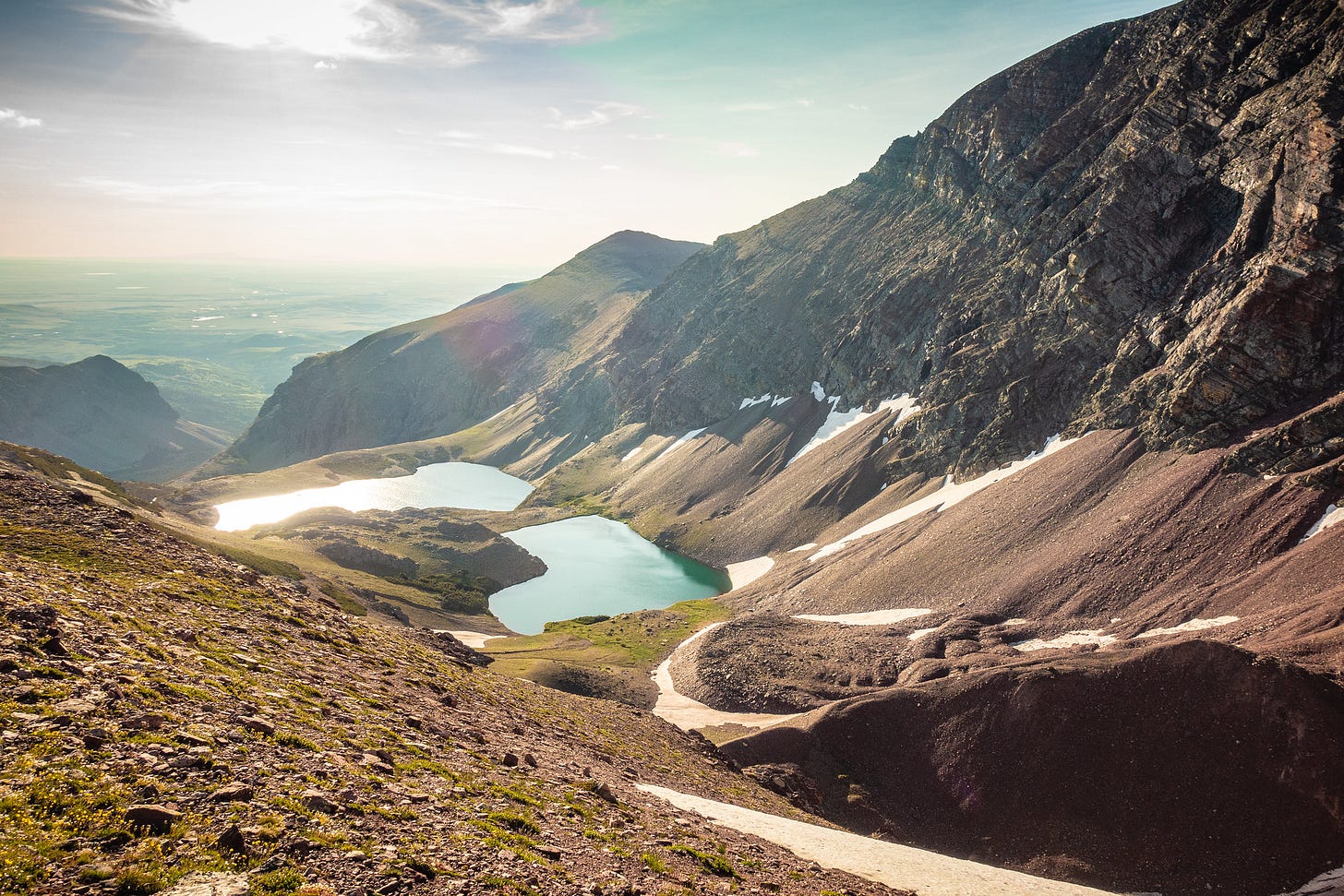
A rock glacier in Glacier National Park
“At a time of growing pressure on land and water in the West, the call to action from voters is clear and bipartisan: Westerners want funding and stewardship for public lands and natural resources,” Ian Johnson, Director of Strategic Initiatives & Sustainability at Colorado College, said in a statement.
As Axios Denver pointed out in its coverage of the poll, “Conservation isn’t a niche issue—it’s political bedrock in eight Southwest and Rocky Mountain states.” Given this, the Trump administration’s unrelenting pursuit of a public lands agenda that is the opposite of what overwhelming majorities of Western voters want to see is incomprehensible. Members of Congress who are looking to keep their jobs this November would do well to align themselves with their constituents by supporting conservation and funding for our national public lands.