
On November 7, 2025, the Trump administration published its updated list of critical minerals. This update added ten new minerals to the U.S. Geological Survey’s critical minerals list, including copper, uranium, silver, and metallurgical coal. The inclusion of these minerals on the list for the first time makes it clear that the Trump administration is using the list to advance its agenda of prioritizing resource extraction over all other uses of our national public lands. Designating these minerals as ‘critical’ paves the way for land use and permitting decisions that will negatively impact Western public lands and wildlife habitats for decades to come.
What is the critical minerals list and why does it matter?
The Energy Act of 2020 defined critical minerals and specified a process and criteria for the U.S. Geological Survey (part of the Interior department) to develop and update the official critical minerals list. The law states that to be considered critical, a mineral must be essential to U.S. economic or national security, have a supply chain vulnerable to disruption, and be essential to manufacturing a product that is important to economic or national security. The law also specifically states that fuel minerals are not eligible for inclusion on the list. The list must be updated at least every three years, and the Trump administration has pledged to update it at least every two years. (In addition to Interior’s critical minerals list, the U.S. Department of Energy also maintains a critical materials list, which includes the critical minerals as well as additional materials that are vulnerable to supply chain disruption and essential to energy technologies specifically.)
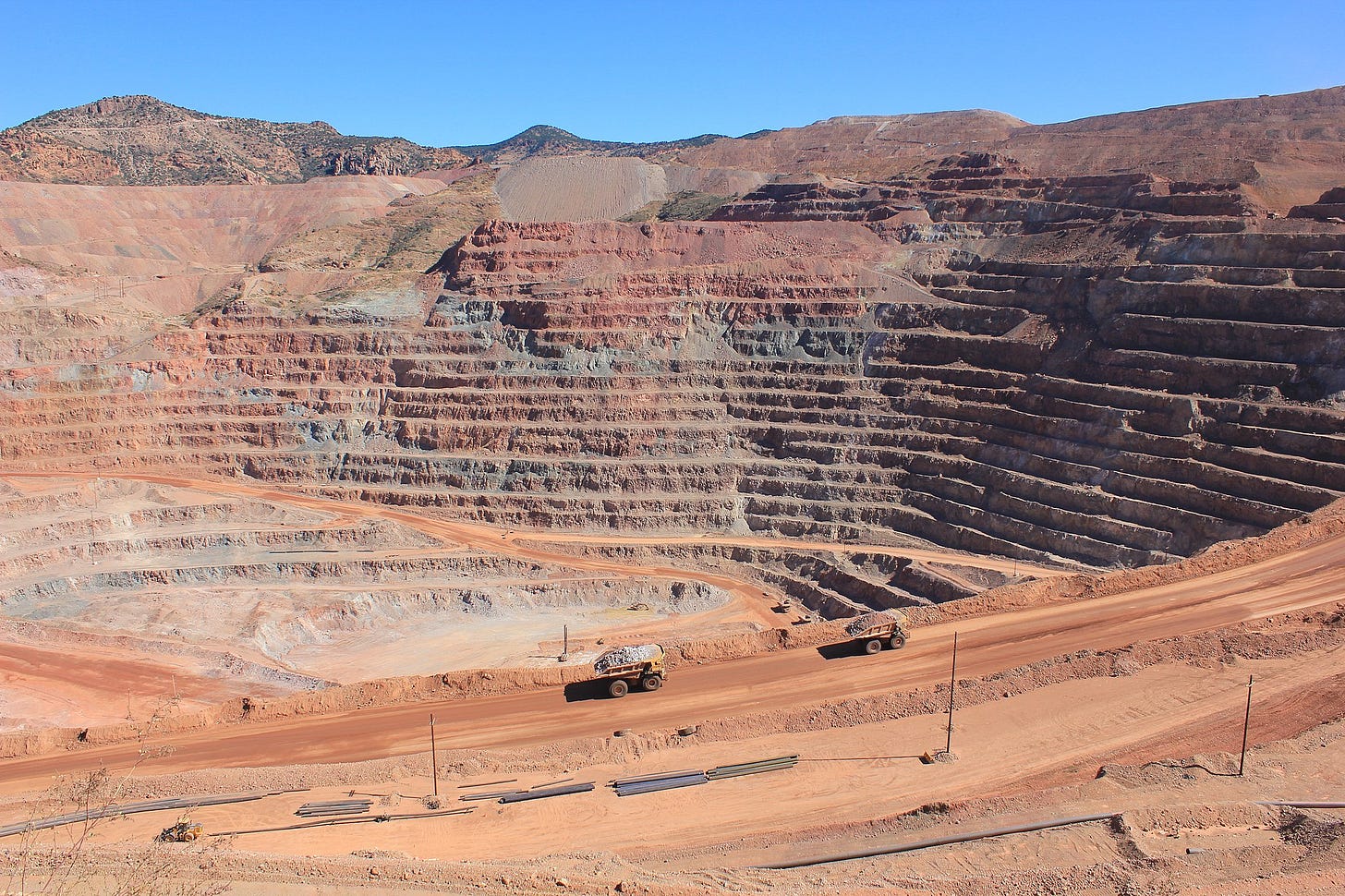
The Morenci copper mine in Arizona, Stephanie Salisbury via Wikimedia Commons, CC-BY-2.0

Once a mineral is designated as critical, it can qualify for heightened consideration in areas such as U.S. defense and trade policy. Projects involving critical minerals can qualify for federal funding opportunities such as research and development grants, priority funding for mapping, and Defense Production Act investments. Critical minerals also get priority treatment when it comes to land use and permitting decisions, including on national public lands. In particular, critical minerals mining and processing projects are eligible for the “FAST-41” program. This program, so called because it was created by Section 41 of the 2015 Fixing America’s Surface Transportation (FAST) Act, was originally established during the Obama administration to streamline permitting for infrastructure projects.
During the Biden administration, the FAST-41 program was expanded to include critical minerals projects, using the USGS list to determine eligibility. The Biden administration permitted two critical minerals projects—the South32 Hermosa mine in Arizona and the Stibnite mine in Idaho—through the FAST-41 program. The Trump administration has since added several more mining projects to the program. The expansion of FAST-41 beyond what Congress intended in order to include mining projects is concerning. Mining on national public lands is governed by the Mining Law of 1872, which predates the nation’s environmental laws. The Mining Law grants sweeping rights to claim-holders; once established, these rights can last for decades and prevent other uses of public lands. The impacts of mining also can last for decades, and can damage drinking water sources, wildlife habitats, and other irreplaceable natural resources. This makes mining unlike transportation infrastructure and unsuited for a program intended to streamline infrastructure development in already-impacted and developed areas of the country. The mine permitting process is often the only opportunity the government and the public have to protect public lands and the species and communities that depend on them from the negative impacts of mines, such as pollution, water usage, loss of recreation access, and habitat damage. Speeding up this process limits these opportunities to balance multiple uses of our national public lands and threatens these resources we all depend on.
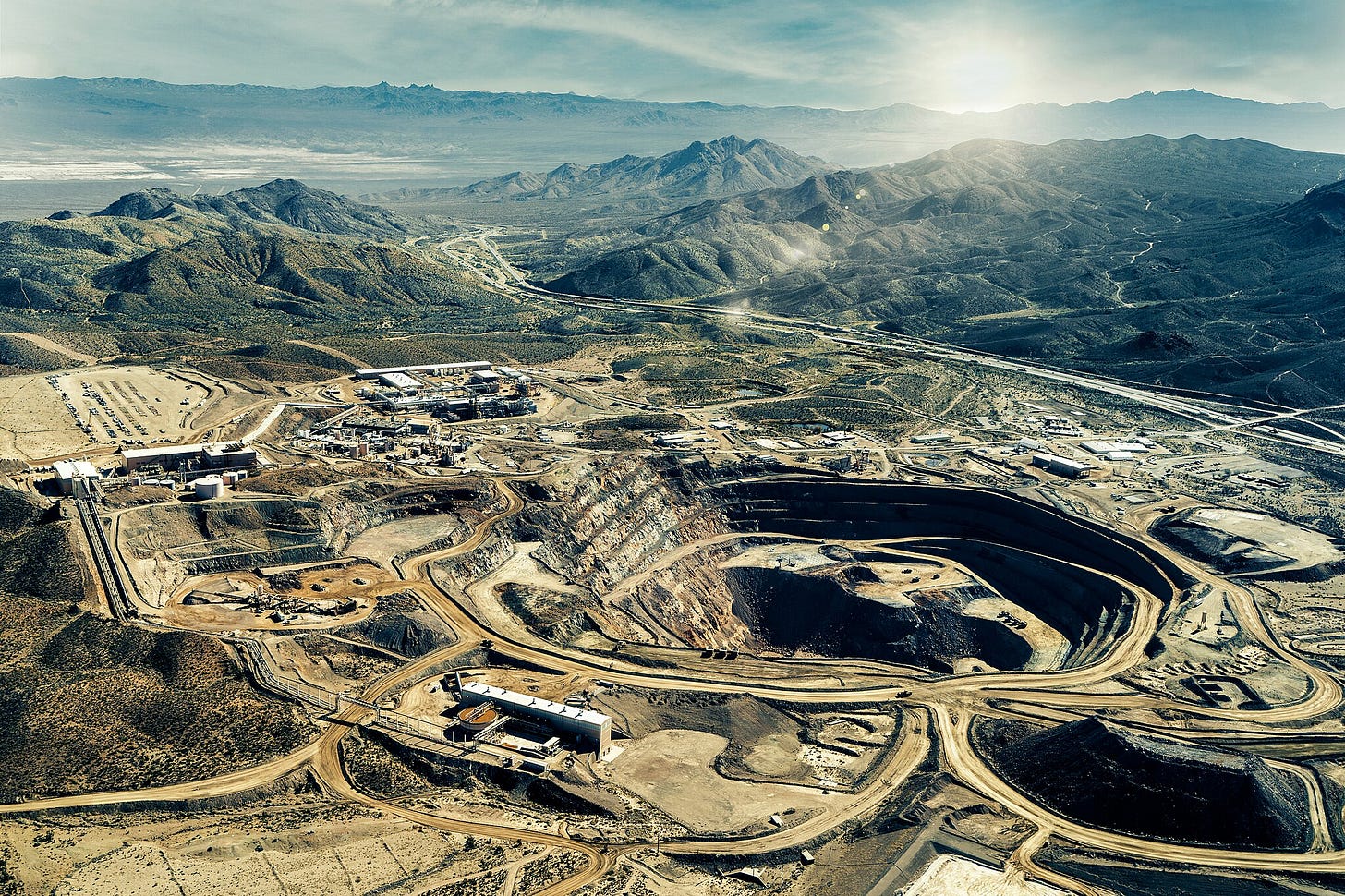
The Mountain Pass rare earths mine in California, Tmy350 via Wikimedia Commons, CC BY-SA 4.0

What’s new in the latest update?
The 2025 critical minerals list adds ten materials not previously included. Notable among the additions: copper, uranium, and coal.
Copper, often in the form of wires, is essential to many forms of technology. Its inclusion on the critical minerals list is inappropriate because the U.S. already has significant stockpiles of copper. However, designating copper as critical could help speed up permitting for domestic copper mining projects, such as the Resolution copper mine at Oak Flat in Arizona on land sacred to the San Carlos Apache Tribe.
The addition of uranium is even more inappropriate since the Energy Act of 2020 specifies that fuel minerals may not be included on the critical minerals list. (Uranium is the fuel for nuclear reactors.) To justify adding uranium, the USGS pointed to President Donald Trump’s “Unleashing American Energy” executive order, signed January 20, 2025, which directed USGS to consider whether uranium could be included on the list. As with copper, designating uranium as critical is likely intended to help boost domestic uranium mining, which in turn would support an expansion of nuclear power in the U.S. A handful of uranium projects, including the Velvet Wood mine near Bears Ears National Monument in Utah and the Pinyon Plain mine near the Grand Canyon in Arizona, are already moving forward. Velvet Wood is especially notable because it was touted by the Interior department as the first project to be permitted under a new fast-tracked Interior department process that compresses environmental reviews under the National Environmental Policy Act to a mere 14 days. (This is separate from FAST-41, which expedites permitting.)
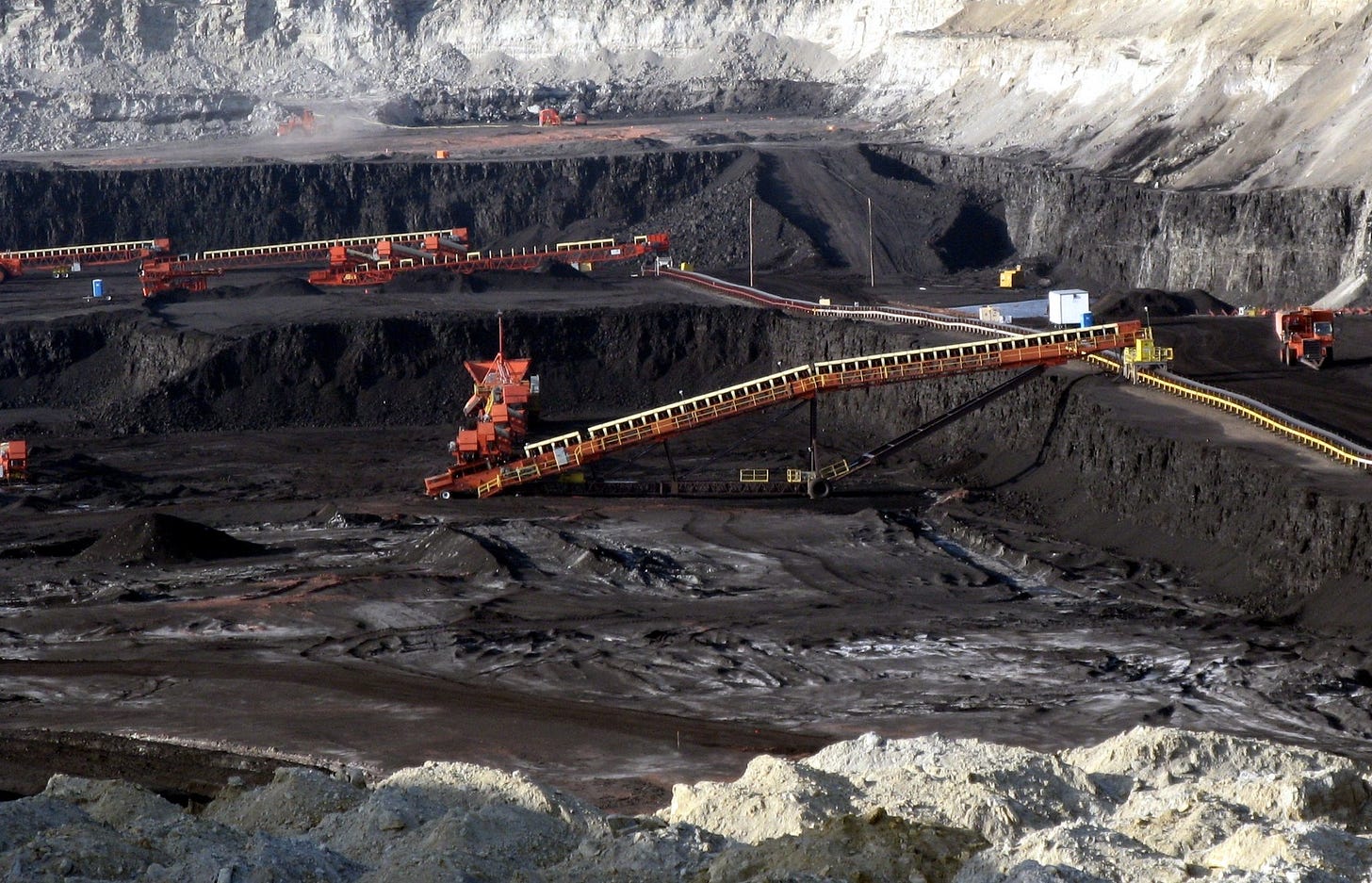
A coal mine in Wyoming, Greg Goebel via Wikimedia Commons, CC BY-SA 2.0

Perhaps the biggest stretch is the addition of coal to the critical minerals list. As with uranium, coal should be ineligible for inclusion since it is a fuel mineral, and the law that established the critical minerals list specifically excludes fuel minerals from the list. Rather than follow the law, the USGS relied on a Trump executive order, “Reinvigorating America’s Beautiful Clean Coal Industry,” signed April 8, 2025, which directed USGS to consider adding metallurgical coal to the critical minerals list. There are several different types of coal, and metallurgical coal is the type that is suitable for use in steel production. (Thermal coal, also referred to as steam coal, is the type that is used in power plants. While metallurgical coal can also be used in power plants, it is usually more expensive. Thermal coal cannot be used in steel production.) Designating metallurgical coal as critical could help bolster both metallurgical coal mining and a domestic market for metallurgical coal in the U.S. by making projects that use metallurgical coal eligible for federal funding opportunities and expedited permitting. (Currently, the majority of metallurgical coal mined in the U.S. is exported.) However, it is also another example of disregard for the law, which states that fuel minerals may not be designated as critical, to advance the Trump administration’s political agenda of propping up the dying coal industry.
What does this mean for public lands in the West?
President Trump’s “energy emergency,” his executive order to increase domestic mineral production, and the addition of copper, uranium, and coal to the critical minerals list present serious threats to national public lands, outdoor recreation access, and wildlife habitats in the West. The Trump administration’s policies are designed to prioritize mineral production over all other uses of national public lands. These policies have already resulted in the resurrection of zombie mines, such as the Velvet Wood mine, and disregard for Tribal sacred sites, such as the Resolution copper project at Oak Flat in Arizona. Many more projects are already being fast-tracked, guaranteeing more damage to public lands and wildlife habitats in the years to come. Even when mining ceases, the impacts of these projects will be felt for decades into the future, as the West has already seen over the past century.
Featured image: The Bingham Canyon copper mine in Utah, Doc Searls via Flickr, CC BY 2.0